Getting Started with Ledger: The Complete Guide to Securing Your Cryptocurrency
Introduction
In today’s digital financial world, securing your cryptocurrency is more important than ever. While online wallets and exchanges offer convenience, they are often vulnerable to hacks, phishing attacks, and malware. Hardware wallets provide the highest level of security, keeping your private keys offline and out of reach from malicious actors.
Ledger is one of the most trusted names in cryptocurrency hardware wallets, offering a range of devices designed to protect your digital assets while maintaining user-friendly access. This guide will walk you through everything you need to know to get started with Ledger, from unboxing your device to advanced security practices. By the end, you’ll be equipped to manage your crypto safely and confidently.
1. What is Ledger?
Ledger is a company specializing in hardware wallets that store cryptocurrencies securely offline. Founded in 2014, Ledger’s mission is to make cryptocurrency safe and accessible for everyone. Ledger wallets, such as Ledger Nano S Plus and Ledger Nano X, are designed to protect private keys, which are the critical information needed to access and manage your crypto.
Key Features of Ledger:
Offline Storage: Private keys never leave the device.
Multi-Currency Support: Supports over 5,000 cryptocurrencies, including Bitcoin, Ethereum, and many altcoins.
User-Friendly Interface: Manage assets through Ledger Live or compatible third-party apps.
Bluetooth Connectivity (Nano X): Send and receive crypto from your mobile device.
Recovery Options: Secure recovery using a recovery phrase.
Ledger wallets are designed for both beginners and experienced crypto users, combining strong security with intuitive usability.
2. Why Hardware Wallets Are Essential
Before setting up your Ledger device, it’s important to understand why hardware wallets are crucial:
Maximum Security: Unlike software wallets connected to the internet, Ledger wallets store your private keys offline, protecting them from hacks.
Full Control: You are the sole owner of your private keys. Unlike exchanges or web wallets, no third party can access your crypto.
Backup and Recovery: Ledger provides a secure recovery phrase to restore your funds in case the device is lost, stolen, or damaged.
Compatibility: Ledger integrates with multiple cryptocurrencies and wallets, making it highly versatile for managing your portfolio.
3. Unboxing Your Ledger Device
When you receive your Ledger wallet, ensure the package contains:
Ledger Device: Either Ledger Nano S Plus or Ledger Nano X.
USB Cable: For connecting your device to a computer.
Recovery Sheets: For writing down your recovery phrase.
Instructions and Stickers: Official documentation and branding materials.
Security Tip: Ledger packages have tamper-evident seals. Never use a device if the seal appears broken or altered.
4. Setting Up Your Ledger Wallet
Step 1: Connect Your Device
Plug your Ledger device into your computer or phone.
Visit Ledger.com/Start for the official setup guide.
Step 2: Install Ledger Live
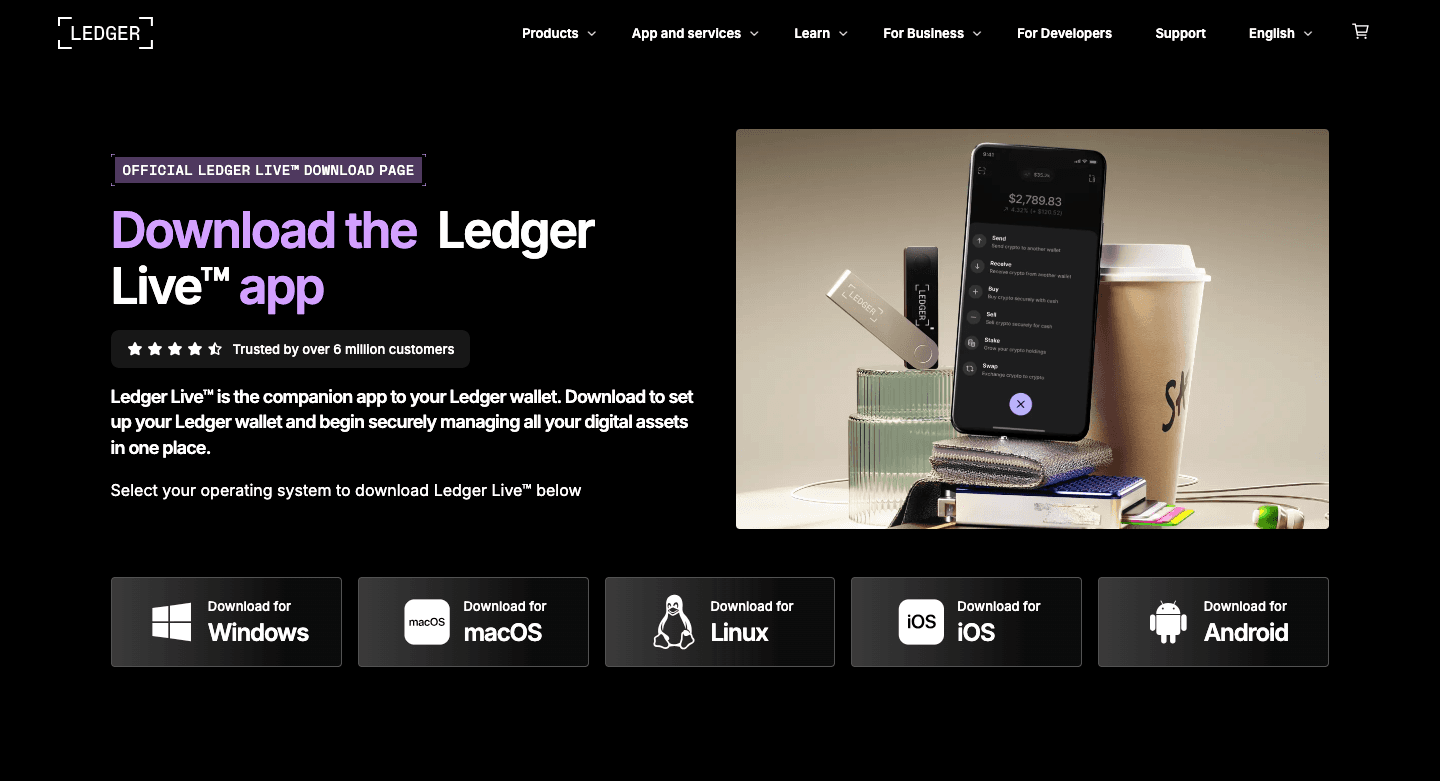
Ledger Live is the official app for managing your crypto.
Download it from Ledger’s website for your computer or mobile device.
Step 3: Initialize Your Wallet
Choose Set up as a new device.
The device will generate a 24-word recovery phrase. Write it down on the recovery sheet—never store it digitally.
Step 4: Set a PIN
Choose a secure PIN code to prevent unauthorized access.
The PIN is required every time the device is connected.
Step 5: Connect to Ledger Live
Open Ledger Live and follow the instructions to pair your device.
From here, you can add accounts for different cryptocurrencies, send and receive funds, and manage your portfolio.
5. Using Your Ledger Wallet
Receiving Cryptocurrency:
Open Ledger Live and select the crypto you want to receive.
Generate a receiving address and share it with the sender.
Sending Cryptocurrency:
Enter the recipient’s address and the amount.
Confirm the transaction on your Ledger device.
Transactions are signed offline, ensuring maximum security.
Checking Balances and History:
Ledger Live allows you to view your balances, transaction history, and portfolio performance.
You can manage multiple accounts for different cryptocurrencies.
6. Security Best Practices
While Ledger devices are secure by design, following these best practices will maximize your safety:
Never Share Your Recovery Phrase: Treat it like the key to your bank account.
Verify Addresses on Device: Always confirm addresses on your Ledger screen.
Use a Strong PIN: Avoid predictable numbers or patterns.
Keep Firmware Updated: Ledger regularly releases updates to patch vulnerabilities.
Beware of Phishing: Only download Ledger Live from official sources and never click on suspicious links.
7. Advanced Features of Ledger
Ledger wallets aren’t just for storing crypto—they offer additional functionality:
Ledger Live Apps: Manage multiple coins and tokens from one interface.
Third-Party Integrations: Connect to apps like MetaMask, DeFi platforms, or staking services.
Staking and Earning: Some cryptocurrencies allow you to stake or earn rewards directly through Ledger Live.
Bluetooth (Nano X): Securely manage your crypto on the go via mobile devices.
Passphrase Protection: Add an extra layer of security with an additional passphrase.
8. Troubleshooting Common Issues
Device Not Recognized:
Ensure Ledger Live is installed correctly.
Try a different USB port or cable.
Forgot PIN:
Enter the wrong PIN three times to reset the device. Use your recovery phrase to restore your wallet.
Lost Recovery Phrase:
Unfortunately, without it, your funds cannot be recovered. Always keep a secure backup.
Firmware Update Problems:
Follow the on-screen instructions carefully. Do not disconnect during updates.
9. Long-Term Security Tips
Physical Safety: Store your Ledger device and recovery sheet in a secure location.
Multiple Backups: Keep recovery phrases in separate, safe locations.
Periodic Checks: Update firmware and test your recovery phrase.
Avoid Public Computers: Only connect Ledger to trusted devices and networks.
Consider a Safe or Lockbox: For maximum security, especially for large holdings.
10. Why Ledger is the Right Choice
Ledger combines unmatched security, user-friendly design, and versatility. Whether you’re a beginner or experienced crypto holder, Ledger offers:
Peace of Mind: Private keys are never exposed online.
Ease of Use: Manage multiple cryptocurrencies from one interface.
Transparency: Ledger’s firmware is open-source and regularly audited.
Innovation: Features like Bluetooth connectivity, staking, and third-party integrations expand possibilities.