Getting Started with Ledger: The Ultimate Guide to Secure Cryptocurrency Storage
Introduction
As cryptocurrencies continue to reshape the financial landscape, securing your digital assets is more important than ever. While exchanges are convenient, they cannot fully protect your funds from hacks or cyberattacks. That’s where Ledger comes in—a hardware wallet designed to give you complete control over your crypto.
Whether you’re a newcomer to the crypto world or a seasoned investor, Ledger provides a secure, reliable, and user-friendly solution for managing digital assets. This comprehensive guide will walk you through everything you need to know about Ledger, from unboxing and setup to advanced security practices and asset management. By the end, you’ll be ready to safely store and manage your cryptocurrency with confidence.
1. What is Ledger and Why It Matters
Ledger is a hardware wallet that stores your private keys offline, protecting them from hacks, phishing attempts, and malware. Unlike software wallets, Ledger devices keep your keys isolated from the internet, offering a higher level of security.
Key Benefits of Ledger:
Offline Security: Your private keys never leave the device.
Wide Cryptocurrency Support: Bitcoin, Ethereum, and thousands of altcoins.
User-Friendly Interfaces: Ledger Live software allows easy management of your portfolio.
Backup & Recovery Options: Restore your wallet using a recovery phrase if the device is lost or damaged.
Using a hardware wallet like Ledger is considered one of the safest ways to store cryptocurrency, particularly for long-term investors or anyone holding significant amounts of digital assets.
2. Ledger Models Overview
Ledger offers two main devices: Ledger Nano S Plus and Ledger Nano X. Each model has unique features suited for different users.
Ledger Nano S Plus
Compact and cost-effective.
Supports 1,800+ cryptocurrencies.
Ideal for beginners or casual users.
Simple interface with USB connection.
Ledger Nano X
Bluetooth-enabled for mobile use.
Supports multiple apps simultaneously for different cryptocurrencies.
Larger storage and advanced features for power users.
Offers a touchscreen-free interface controlled via buttons and Ledger Live.
Both devices provide top-tier security, and the choice depends on whether you prioritize mobility, storage capacity, or cost.
3. Unboxing and Setting Up Your Ledger Device
Setting up Ledger is straightforward but must be done carefully to ensure maximum security.
Step 1: Unbox Your Device
Ensure the packaging is intact to confirm it hasn’t been tampered with.
Contents include your Ledger device, USB cable, recovery sheets, and instructions.
Step 2: Connect Your Ledger to a Computer or Mobile Device
Visit ledger.com/start to download Ledger Live software.
Connect your device using the USB cable (or Bluetooth for Nano X).
Step 3: Initialize Your Device
Choose “Set up as new device.”
Create a secure PIN to protect access to your device.
Step 4: Backup Your Recovery Phrase
Ledger generates a 24-word recovery phrase.
Write it down carefully on the provided recovery sheet.
Confirm the phrase by entering it on the device.
Tip: Never store your recovery phrase digitally. Anyone with access to it can control your funds.
4. Security Best Practices
Ledger provides robust security features, but your behavior is equally important.
1. Never Share Your Recovery Phrase
Ledger employees or third parties will never ask for it.
2. Keep Firmware Updated
Firmware updates include security patches and new features.
3. Use a Strong PIN
Avoid predictable combinations.
4. Enable Passphrase Protection
Adds an extra layer of security beyond the 24-word recovery phrase.
5. Store Recovery Phrase Securely
Use a fireproof safe or secure offline location.
Avoid storing digitally or in cloud storage.
5. Adding and Managing Cryptocurrency
Once your Ledger device is ready, you can begin adding cryptocurrencies to your wallet.
Supported Coins
Bitcoin (BTC)
Ethereum (ETH)
Cardano (ADA)
Polkadot (DOT)
Thousands of other cryptocurrencies via Ledger Live and compatible wallets
How to Add Crypto
Open Ledger Live.
Install the app for your chosen cryptocurrency on your device.
Click “Receive” to generate a wallet address.
Transfer crypto from an exchange or another wallet.
Managing Multiple Assets
Ledger Live provides a portfolio overview, showing balances, transaction history, and market value.
You can manage multiple accounts for each cryptocurrency.
6. Sending Cryptocurrency Safely
Ledger devices ensure every transaction is signed offline, preventing hackers from intercepting your private keys.
Steps to Send Crypto:
Open Ledger Live and select “Send.”
Enter the recipient’s address accurately.
Confirm transaction details on your Ledger device.
Press “Confirm” to sign and broadcast the transaction.
Pro Tip: Always double-check recipient addresses. Even a single character mistake can result in permanent loss.
7. Using Advanced Ledger Features
Ledger devices offer several advanced features for users seeking enhanced functionality:
1. Passphrase Wallets
Create multiple wallets with different passphrases.
Useful for additional privacy or storing funds in separate wallets.
2. Third-Party Integrations
Compatible with wallets like MetaMask, Electrum, and DeFi platforms.
Allows secure interaction with smart contracts and decentralized apps.
3. Staking and Earning Rewards
Ledger Live supports staking certain cryptocurrencies, allowing you to earn rewards while keeping your assets secure.
4. Crypto Swaps
Swap one cryptocurrency for another directly through Ledger Live without exposing your private keys.
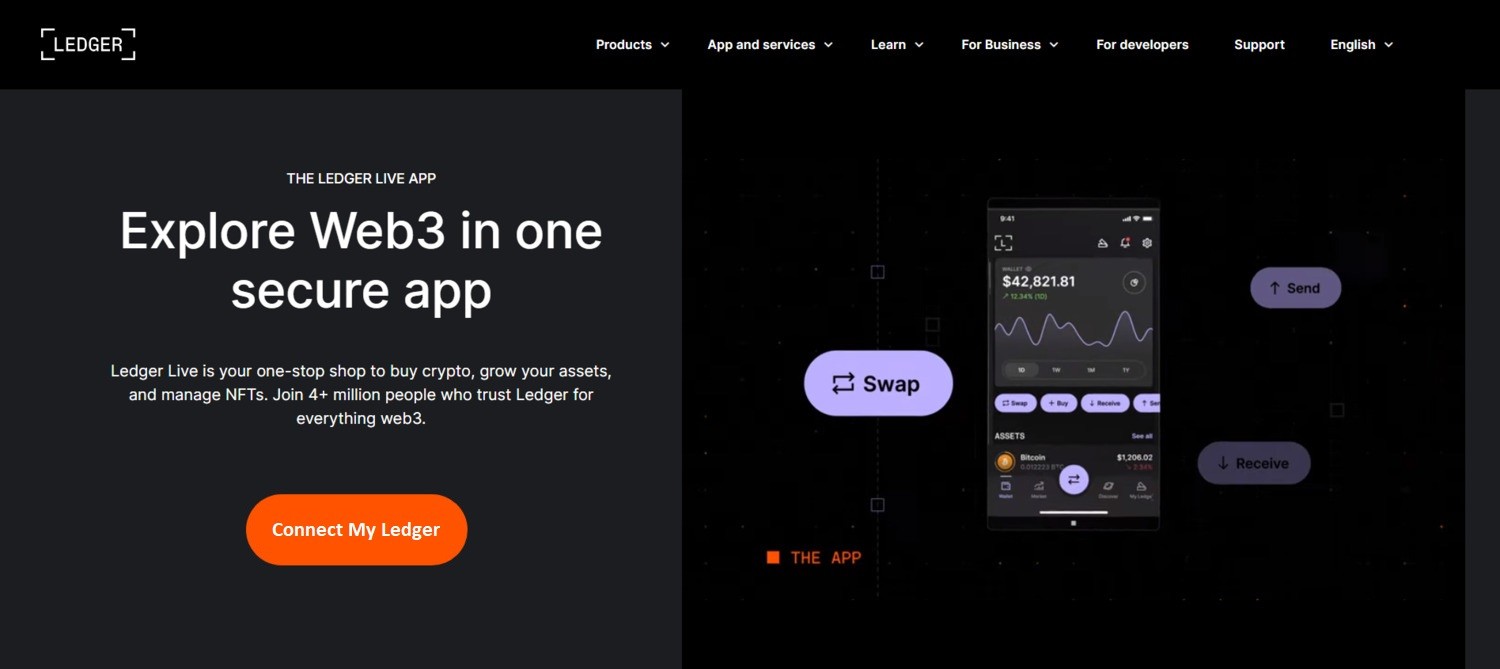
8. Ledger Live Desktop and Mobile Apps
Ledger Live is the software interface that allows you to manage crypto easily.
Features
Portfolio overview and transaction history
Coin swaps and staking management
Device management and firmware updates
Price alerts and portfolio tracking
Ledger Live ensures you can manage your assets securely from both desktop and mobile devices while keeping private keys safely offline.
9. Troubleshooting Common Issues
Even secure devices can face minor issues.
Problem: Device Not Recognized
Check USB cable or Bluetooth connection.
Restart Ledger Live.
Update the firmware.
Problem: Forgot PIN
Use recovery phrase to reset the device and restore access.
Problem: Lost Recovery Phrase
Unfortunately, recovery phrases are the only way to regain access.
Store it safely offline to prevent permanent loss of funds.
10. Why Ledger is the Right Choice
Ledger provides a combination of security, versatility, and user-friendliness, making it ideal for both beginners and advanced users.
Key advantages include:
Complete control over your crypto
Offline transaction signing for maximum security
Wide support for cryptocurrencies
User-friendly desktop and mobile interfaces
By using Ledger, you minimize exposure to hacks, phishing attacks, and malware, providing peace of mind for managing your digital assets.
Conclusion
Getting started with Ledger is simple, secure, and empowering. By following this guide, you can safely store, manage, and transact cryptocurrency while protecting your funds from threats.
Ledger is more than a hardware wallet—it’s a tool for digital financial independence. Whether you’re holding Bitcoin, staking Ethereum, or exploring DeFi, Ledger ensures your private keys remain in your control.
Visit Ledger.com/start to begin your journey to secure cryptocurrency ownership. Protect your assets, gain full control, and navigate the crypto world with confidence.