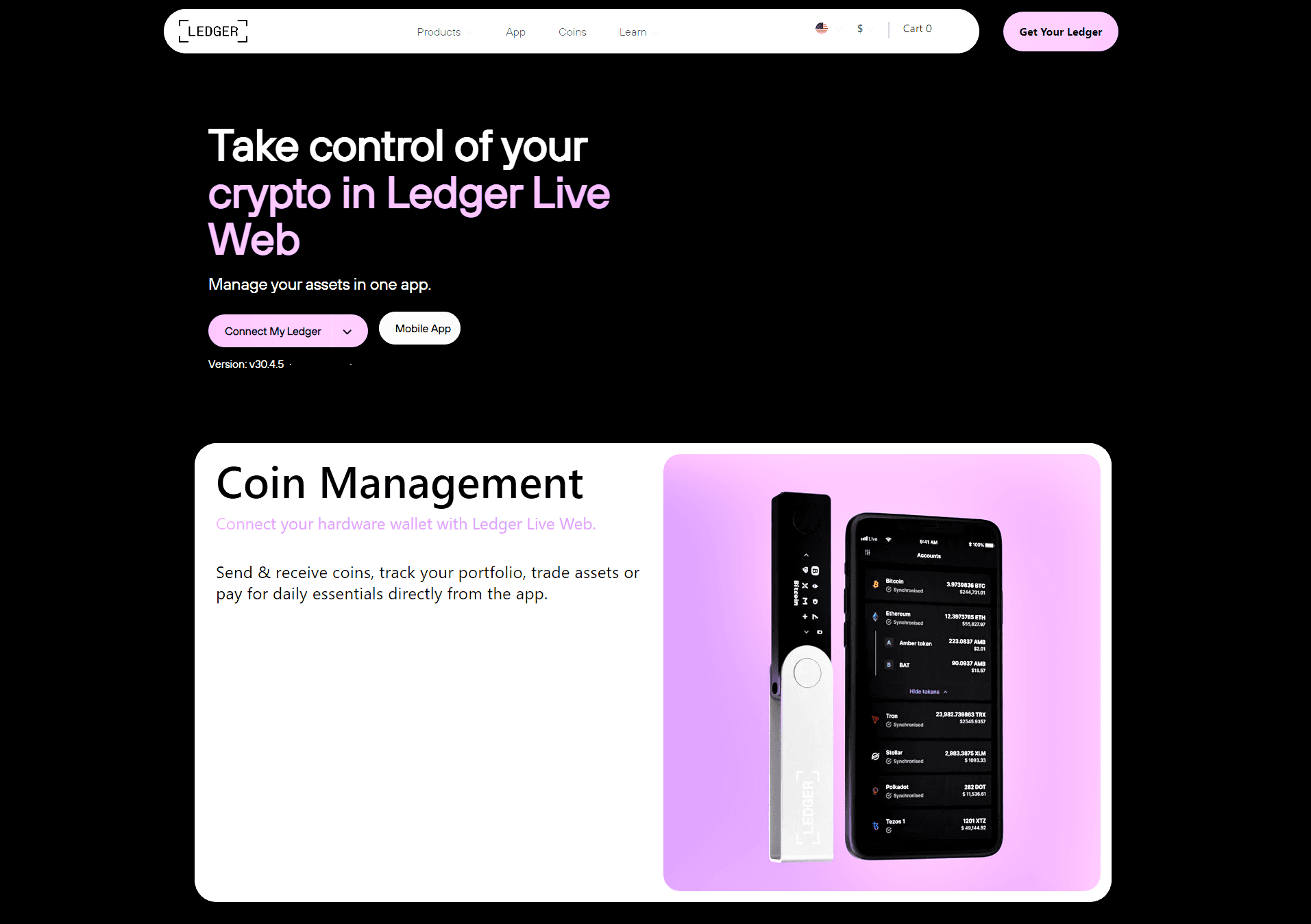
Start Your Secure Crypto Journey with Ledger
Introduction: Why Choose Ledger?
In today’s digital financial landscape, cryptocurrencies provide unprecedented control over your wealth. But with this freedom comes responsibility—protecting your digital assets is paramount. Ledger offers industry-leading hardware wallets designed to keep your crypto secure, private, and entirely under your control.
Unlike software wallets that are vulnerable to malware and phishing, Ledger devices store your private keys offline. This ensures your assets are safe even if your computer or phone is compromised. Ledger empowers you to manage Bitcoin, Ethereum, and hundreds of other cryptocurrencies safely and efficiently.
This comprehensive guide will take you step by step through the process of setting up and using your Ledger device, ensuring you can manage your crypto securely and confidently.
1. Understanding Hardware Wallets
Before diving into setup, it’s crucial to understand why hardware wallets are essential for crypto security.
1.1 What is a Hardware Wallet?
A hardware wallet is a physical device designed to store your cryptocurrency private keys offline. Your private keys are the only way to access and spend your crypto. Unlike software wallets that can be hacked, hardware wallets protect your keys from malware, phishing, and online threats.
1.2 Why Ledger?
Ledger stands out as one of the most trusted names in hardware wallets. With robust security, a user-friendly interface, and support for over 5,500 cryptocurrencies, Ledger combines safety with convenience. Its proprietary operating system, BOLOS, ensures secure transaction signing and device integrity.
1.3 How Ledger Works
When you sign a transaction using Ledger, the private keys never leave the device. Ledger verifies and signs transactions internally, sending only the signed transaction to the blockchain. This ensures your keys remain completely offline and protected.
2. Getting Started with Your Ledger
Starting with Ledger is straightforward. Here’s how to get started step by step.
2.1 Unboxing Your Device
Your Ledger package typically includes:
The Ledger hardware wallet (Nano S, Nano X, or Nano S Plus)
USB cable and/or Bluetooth connectivity (Nano X)
Recovery sheet for seed phrase
User guide
Before using your device, verify authenticity. Ledger devices ship with tamper-proof packaging. If it looks compromised, do not use it.
2.2 Connecting Your Ledger
Connect your Ledger to your computer or mobile device using the provided USB cable or Bluetooth (Nano X).
Visit Ledger.com/start to begin the official setup process.
Follow the on-screen instructions for your device model.
2.3 Installing Ledger Live
Ledger Live is the official app to manage your crypto portfolio securely. It allows you to:
Add and manage multiple cryptocurrencies
Send and receive assets
Monitor portfolio performance
Install apps for specific crypto networks
Download Ledger Live only from the official Ledger website.
3. Securing Your Ledger Wallet
Ledger’s security features are designed to protect your assets against theft or loss.
3.1 Creating a PIN Code
After turning on your device, you’ll set a PIN code. This protects your Ledger even if it’s lost or stolen. Choose a strong PIN that’s easy for you to remember but difficult for others to guess.
3.2 Backup with Recovery Seed
Ledger generates a 24-word recovery phrase during setup. This is the ultimate backup to restore your wallet if the device is lost, stolen, or damaged.
Security tips:
Write your recovery phrase on the recovery sheet provided; never store it digitally.
Store it in a secure, safe place, ideally in multiple locations.
Never share your recovery phrase. Ledger support will never ask for it.
3.3 Advanced Security Options
Ledger offers additional security features:
Passphrase Protection: Adds a hidden layer to your wallet accessible only with a secret passphrase.
Secure Element (SE) Chip: The Ledger device uses a specialized chip for enhanced security.
Device Verification: Ledger verifies its own integrity to prevent tampering.
4. Managing Cryptocurrency with Ledger
Once your Ledger is set up and secured, you can start managing your crypto.
4.1 Supported Cryptocurrencies
Ledger supports over 5,500 cryptocurrencies, including:
Bitcoin (BTC)
Ethereum (ETH)
Litecoin (LTC)
Ripple (XRP)
Polkadot (DOT), and many more
You can check the full list on the official Ledger website.
4.2 Using Ledger Live
Ledger Live provides an intuitive interface for managing your crypto:
Portfolio Overview: Track your assets in real-time.
Send & Receive: Easily send crypto and generate receiving addresses.
App Management: Install apps for different blockchains to manage specific coins.
4.3 Sending and Receiving Cryptocurrency
Receiving:
Open Ledger Live and select the cryptocurrency you want to receive.
Generate a receiving address.
Share this address to receive funds.
Sending:
Enter the recipient address in Ledger Live.
Confirm the address on your Ledger device.
Approve the transaction on the device for security.
Important: Always verify addresses on the device itself to avoid malware interference.
5. Ledger for Everyday Crypto Use
Ledger is designed for active crypto users, not just for storage.
5.1 Integrations with Third-Party Apps
Ledger works with:
Exchanges: Trade crypto directly without exposing private keys.
DeFi Platforms: Access decentralized finance applications safely.
Portfolio Trackers: Monitor investments efficiently.
5.2 Managing Multiple Accounts
Ledger allows multiple accounts per cryptocurrency, useful for:
Separating personal and business funds
Managing multiple investment strategies
Organizing crypto for budgeting purposes
5.3 Mobile Access
Ledger Nano X supports Bluetooth connectivity, allowing secure management of crypto on mobile devices through Ledger Live Mobile.
6. Best Practices for Long-Term Security
Keeping your crypto safe requires vigilance beyond device setup.
6.1 Physical Security
Store your Ledger in a safe place.
Keep recovery sheets in fireproof and waterproof locations.
6.2 Online Security Hygiene
Only use Ledger.com and Ledger Live for official guidance.
Be cautious of phishing emails and fake websites.
Use strong passwords for linked accounts.
6.3 Regular Firmware Updates
Ledger regularly releases firmware updates for security and new features. Update your device promptly through Ledger Live.
7. Troubleshooting and Support
Even experienced users may encounter issues. Ledger provides robust support without compromising security.
Official Support: Visit Ledger.com/support for guides and FAQs.
Community Forums: Engage with other users for tips.
Do Not Share Recovery Phrase: Ledger support will never ask for it.
8. Ledger Ecosystem & Advanced Features
Ledger provides tools beyond basic crypto storage:
Ledger Academy: Learn about crypto, blockchain, and security.
Ledger Vault: Enterprise solution for institutional crypto management.
Staking: Stake supported cryptocurrencies directly from Ledger Live.
NFT Management: Store and manage NFTs securely.
These features make Ledger suitable for beginners and professional crypto users alike.
9. Conclusion: Take Control of Your Crypto
Starting with Ledger is more than acquiring a device; it’s taking control of your financial future. Ledger provides industry-leading security, ease of use, and full control over your crypto assets.
From unboxing to advanced features, Ledger ensures that you can manage your crypto safely, efficiently, and with confidence. Whether you’re new to crypto or an experienced investor, Ledger gives you the tools and peace of mind to navigate the digital financial world securely.
Take the first step today—set up your Ledger, secure your wallet, and start your journey toward financial freedom.